
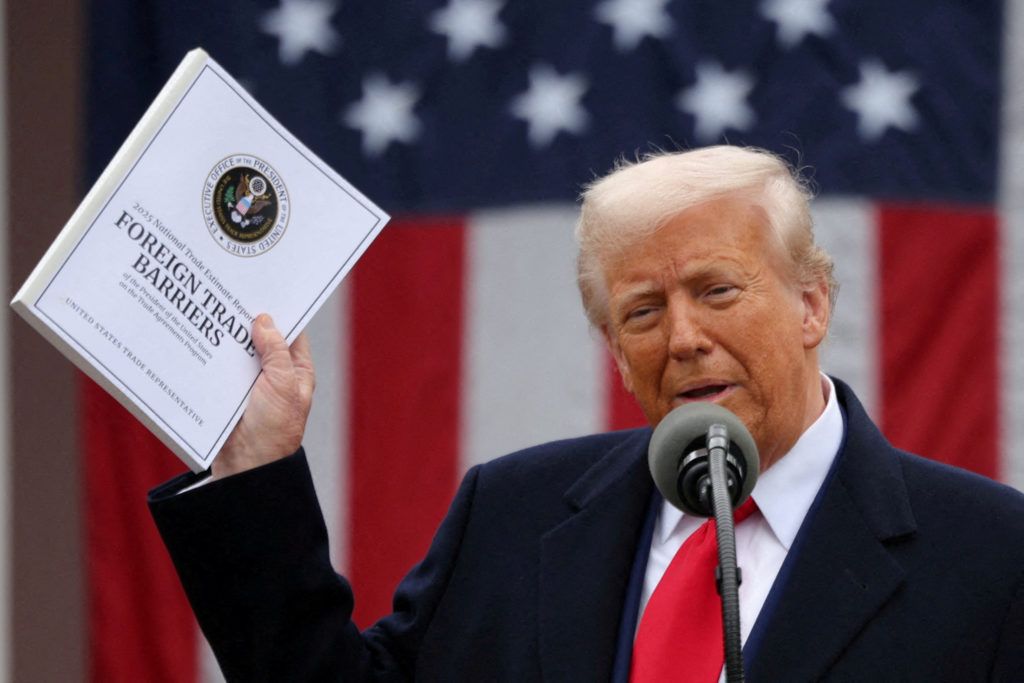
President Trump has enacted a 90-day pause on the most severe US import tariffs for most nations, while increasing tariffs on goods from China to 125%, effective immediately.
Trump announced the move on Truth Social, stating that the decision to raise tariffs on China was due to the country’s “lack of respect” for world markets and its history of “ripping off” the US and other countries. He emphasized that China’s actions were no longer “sustainable or acceptable.”
In contrast, over 75 countries have requested to negotiate trade issues with the US, including trade barriers, tariffs, currency manipulation, and non-monetary tariffs. Trump noted that these countries have not retaliated against the US, and as a result, he has authorized a 90-day pause on the most severe tariffs. During this period, a reciprocal tariff of 10% will be applied to these countries.
The pause in tariffs is likely to bring relief to many businesses, but Apple, which relies heavily on China for its product manufacturing, may still be vulnerable to the impact of the escalating trade war between the US and China. Although Apple has diversified its production to countries like India and Vietnam, China remains a key manufacturing hub.
The increased tariffs on China are expected to have a significant impact on Apple, given its dependence on Chinese manufacturing. The company’s supply chain is likely to be affected, and the higher tariffs may lead to increased costs for the company.
The situation remains uncertain, and the impact of the tariff pause and the increased tariffs on China will continue to unfold in the coming days. As the situation develops, further updates and changes are likely to emerge.


