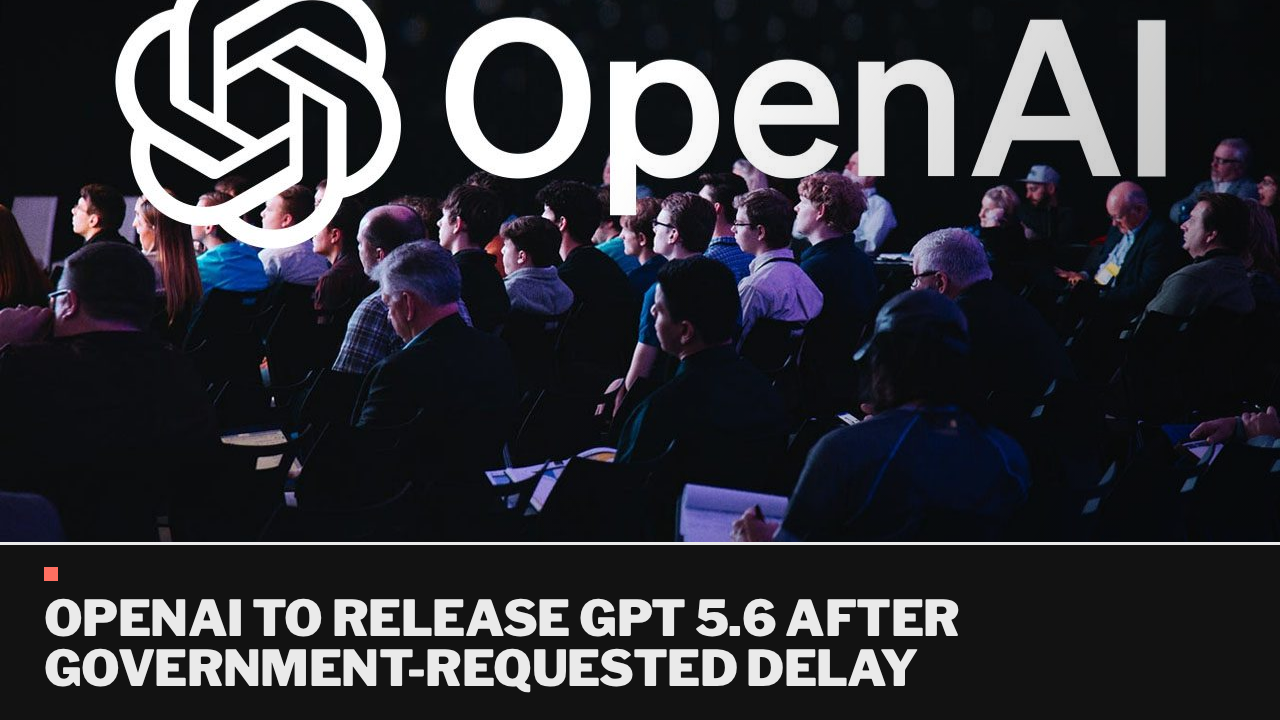
OpenAI will release its advanced GPT model series, GPT 5.6, to the public on Thursday after a delay requested by the Trump administration. The company announced the decision on the social platform X late Tuesday night, with CEO Sam Altman adding, “happy building” in a separate post.
The release follows nearly two weeks after OpenAI indicated that the model series would initially be previewed with select partners due to the government’s cybersecurity concerns. An official from the White House stated on Wednesday that the Trump administration did not grant OpenAI approval to release its models, clarifying that such permission is neither required nor granted. “The Administration does not provide approvals for private companies to release AI models – decisions on timing and scope of releases rest entirely with the companies,” the official said.
OpenAI previously opted out of a public release at the government’s request, which also included sharing partner participation details with the administration. The Commerce Department had recently imposed export controls on Anthropic’s models, leading to a temporary suspension of public access, which was later lifted.
In a statement regarding the delayed rollout, OpenAI described the government’s request as a “kind of government access process,” asserting that it is not a long-term solution as it restricts access to essential tools for users and developers. The company indicated that this path was the strongest option for broader availability in the coming weeks while working with the Trump administration to create a framework for future model releases.
The decision to move forward with the release may have been influenced by additional government testing and meetings between OpenAI and government officials, according to Axios. While the Trump administration’s recent executive order aims to facilitate a voluntary testing process for AI labs, AI policy advocates expressed concern over the potential implications of government influence on AI model releases. They warned that such actions could signal an inconsistent regulatory approach that may hinder innovation.
The White House official reiterated the administration’s commitment to collaborating with AI firms to enhance technology security without inhibiting innovation. This story was updated at 12:22 p.m.