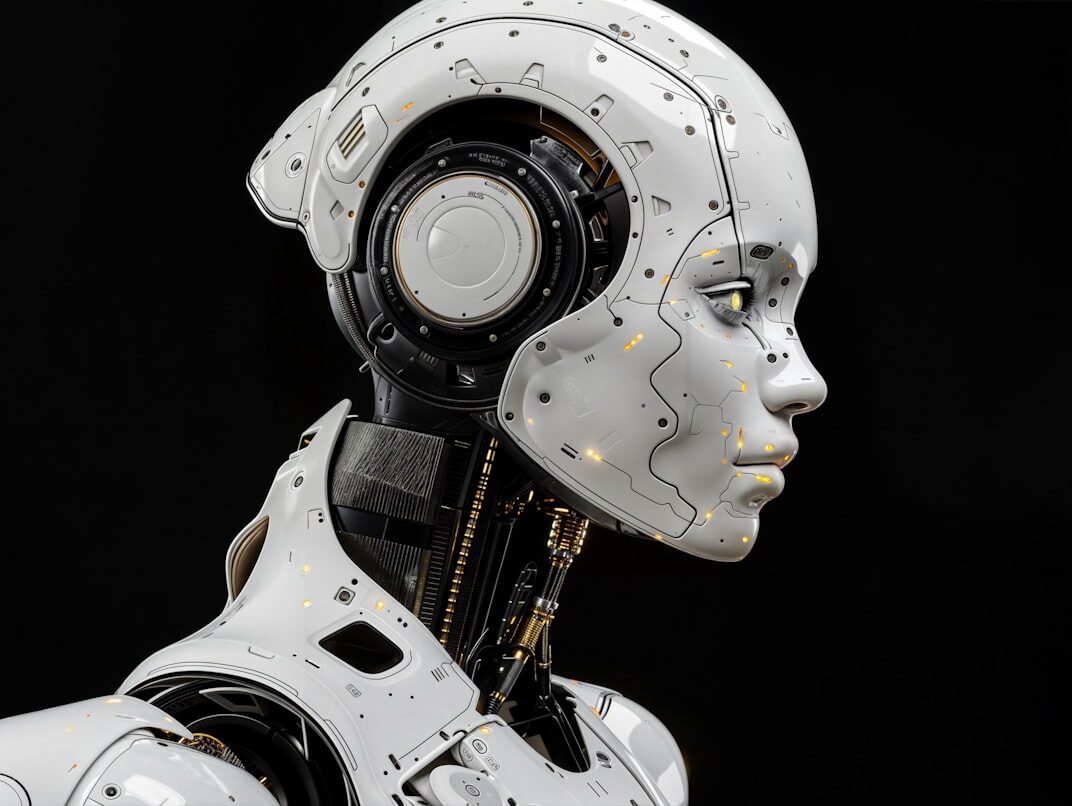
The push toward physical AI is gaining momentum as partnerships drive the integration of complementary technologies, with a new collaboration between Texas Instruments and NVIDIA reflecting this broader pattern in robotics development.
At its core, the partnership addresses a practical bottleneck in building humanoid robots, which requires synchronizing perception, decision-making, and movement in real time. This demands both accurate sensing and high-performance computing working together without delay.
NVIDIA’s Jetson Thor platform acts as the computational backbone, designed to run complex AI models directly inside robots. This enables them to process data and make decisions without relying on external systems, which is critical for real-world environments where latency can affect safety and performance.
Texas Instruments contributes sensing capabilities through its mmWave radar technology, which can detect objects in low visibility conditions such as fog, smoke, or darkness, and identify obstacles that may be visually ambiguous, like transparent surfaces.
The connection between sensing and computation is handled through NVIDIA’s Holoscan Sensor Bridge, reducing latency between input and action. This ensures that robots can respond quickly to changing environments, where timing is as important as accuracy in physical AI.
The immediate application for these systems remains industrial, with factories offering controlled environments where robots can be deployed, tested, and scaled with lower risk. This is already visible across the sector, with automotive and manufacturing companies integrating humanoid systems into production workflows.
The partnership signals not a sudden breakthrough, but an acceleration. The components needed for humanoid robotics already exist; the challenge has been making them work together reliably in unpredictable conditions. By combining sensing precision with processing power, companies are reducing that gap.
The longer-term vision extends beyond factories, with use cases in logistics, service work, and even home environments being explored. However, those environments introduce higher variability, making safety and perception even more critical.
For now, the focus remains pragmatic, with physical AI expected to scale where conditions are manageable and value is immediate. Factories fit that model, and as systems improve and integration becomes more robust, deployment will expand outward.
The trajectory is consistent with previous technology cycles, where progress does not happen all at once but moves through stages of controlled adoption, refinement, and gradual expansion.