
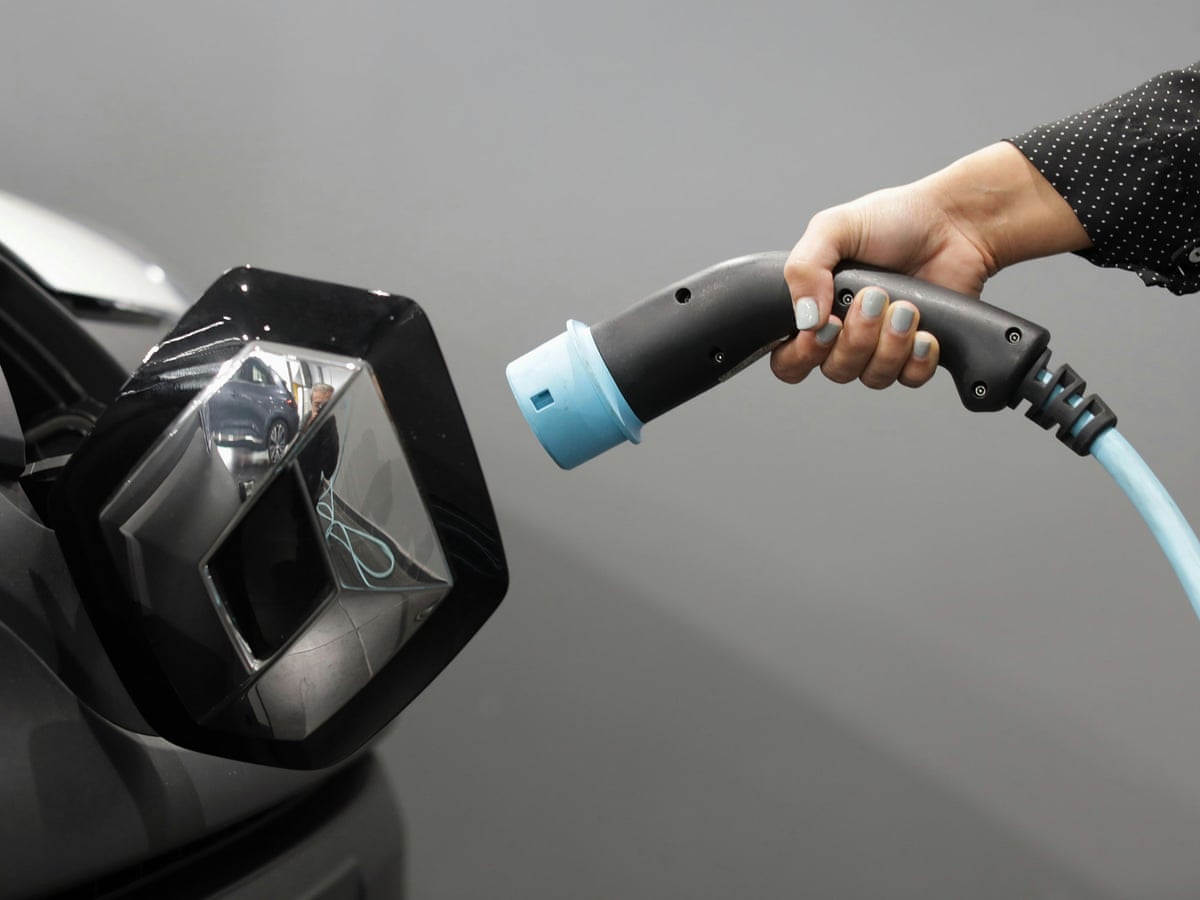
University of Michigan researchers are tackling slow EV charging in cold temperatures with a new battery manufacturing technique. This method enables up to five times faster charging at 14 °F (-10 °C) without sacrificing energy density, potentially easing concerns about EV performance in winter.
Electric vehicles can lose about 25% of their range at 70 mph (113 km/h) in cold weather due to the climate’s impact on battery chemistry and the power needed to heat the cabin and seats.
The team’s technique achieves ‘6C’ charging at 14 °F (-10 °C). For a 50-kWh battery, 6C charging equates to 300 kW, meaning charging happens at six times the battery’s capacity.
Reduced charging rates in cold temperatures happen because the movement of lithium ions between electrodes via a liquid electrolyte slows, which impacts both charging rate and battery power.
Researcher Neil Dasgupta’s approach involves laser-drilling tiny pathways in the graphite anode to receive lithium ions during charging.
Coating the laser-drilled graphite anode with a glassy material of lithium borate-carbonate speeds up charging five times faster in below-freezing conditions. The research was published in the journal Joule last month.
Faster charging in cold weather could alleviate concerns about EV adoption. Researchers plan to integrate their method into battery manufacturing to improve cold-weather EV charging performance. The American Automobile Association (AAA) cited consumer hesitancy about EVs, and the researchers note that addressing concerns about cold temperatures could alleviate this.


