
Several of the world’s leading electronics manufacturers have halted shipments of laptops and other technology products to the United States, following President Trump’s recent announcement of new tariffs, signaling significant disruption for American consumers and the tech supply chain.
According to a report from Commercial Times, a number of major Original Equipment Manufacturers (OEMs) have suspended deliveries of key electronics—including laptops, smartphones, and networking gear—into the US market. The move is a direct response to the uncertainty caused by the newly announced tariffs, which have left manufacturers scrambling to reassess pricing and logistics for their American customers.
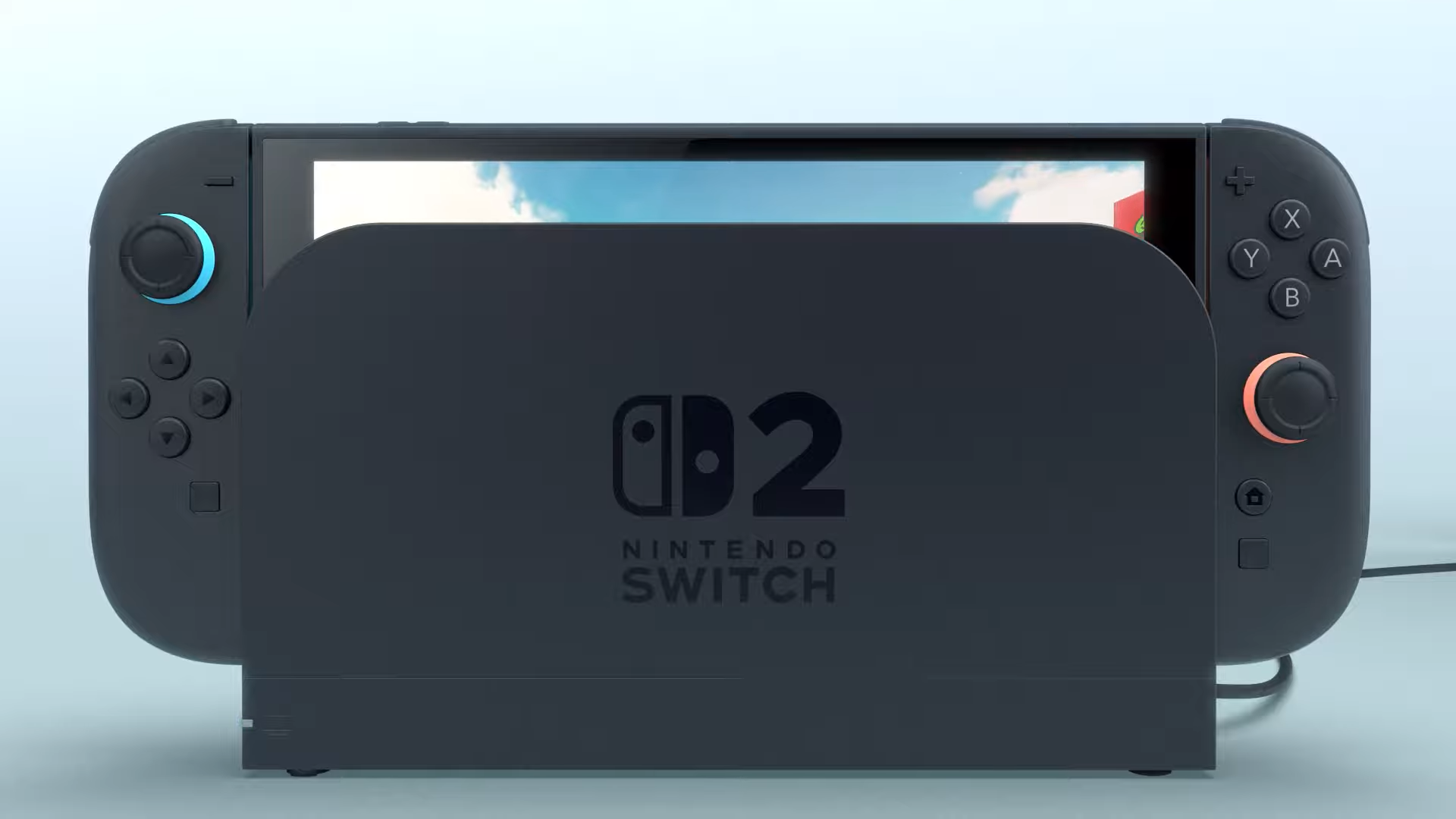
Razer, a prominent gaming hardware company, confirmed it has paused US sales following the tariff news. This action follows a similar earlier decision from Nintendo, which delayed pre-orders for its highly anticipated Switch 2 console, also citing tariff-related concerns. For consumers hoping to purchase a Razer Blade or seek a comparable alternative from another OEM, options may soon become very limited.
The suspension of shipments is not limited to Razer and Nintendo. Commercial Times identifies several other major technology firms—Lenovo, HP, Dell, and Asus (noted as “A-Share” in some translations)—as having enacted at least a two-week pause on shipping products to the US. The affected items go beyond laptops to include a range of devices essential for both consumers and businesses, such as smartphones and network communication equipment. Industry insiders note that the shipment delays could extend further if the tariff dispute is not resolved in the near future.
Despite the widespread suspension, the situation is varied among manufacturers. Some companies are reportedly negotiating “tariff sharing” agreements with their US customers in order to offset increased costs, while others are attempting to continue shipping products as planned. This has resulted in inconsistent supply availability and ongoing uncertainty regarding product pricing and accessibility.
One area of particular concern is the potential impact on PC hardware components, such as graphics cards. Although it is currently unclear whether these items fall under the affected categories, industry watchers warn that existing shortages of high-end Nvidia graphics cards are likely to worsen. Supplies of even mid-range components may eventually dwindle, leading to escalating prices as demand outstrips the limited inventory that remains available.
For US technology consumers, these developments are expected to result in short-term product shortages, higher prices, and increased difficulty in obtaining both premium and mid-range devices. The recent shipment suspensions and tariff uncertainties highlight the ongoing vulnerability of the global consumer tech supply chain to shifts in international trade policy.


