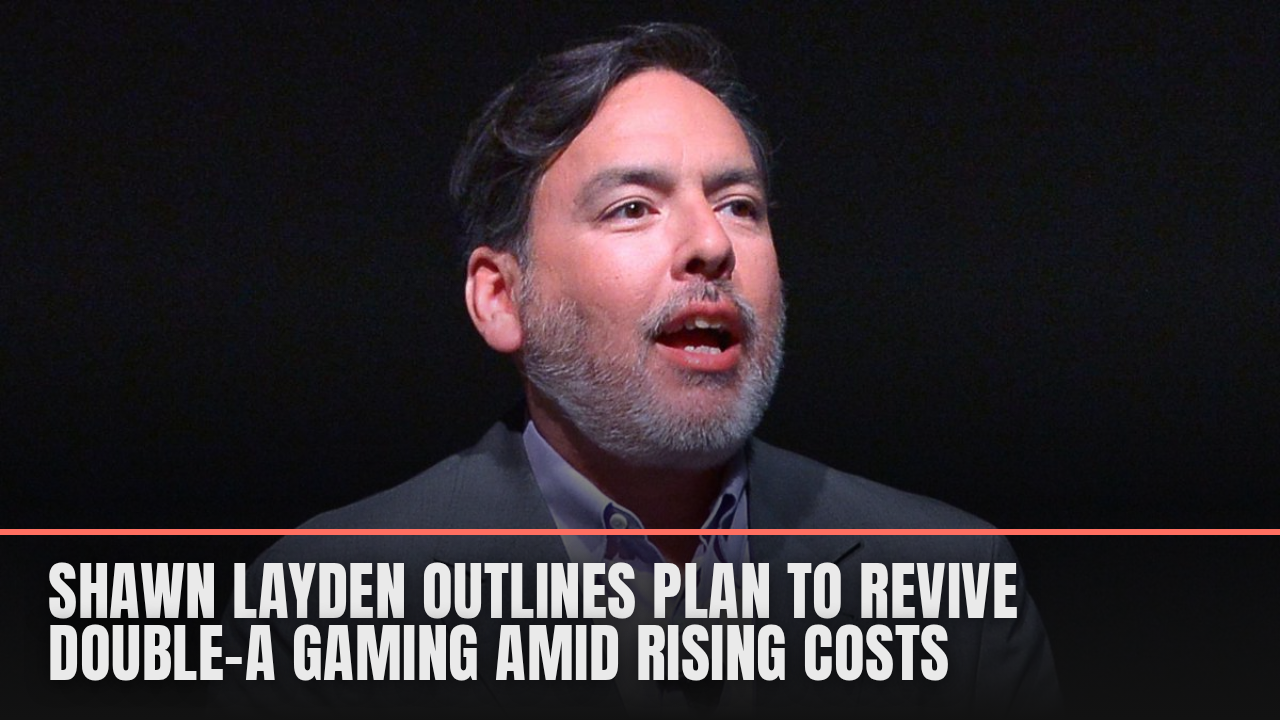
Former PlayStation executive Shawn Layden is advocating for a revival of double-A gaming, citing unsustainable costs associated with blockbuster video game development. Layden stated, “We keep making more of the same thing; bad habits are hard to stop.” He emphasized the escalating expenses of game production, noting that the cost to develop a game has increased exponentially over generations.
Layden explained that what cost $1 million to produce on the original PlayStation now requires significantly larger budgets. He indicated that during the PlayStation 4 era, top-tier game development reached around $150 million, excluding marketing costs. He anticipates that costs for PlayStation 5 games could soar to between $300 million and $400 million, which he described as “outright not sustainable.”
His comments align with industry reports, including observations from Bloomberg reporter Jason Schreier, who noted that triple-A game budgets often exceed $300 million today. He illustrated this trend with the example of “Uncharted 2: Among Thieves,” which had a production budget of $20 million in 2009, compared to the $220 million budget for “The Last of Us Part 2” in 2020. Additionally, mega-franchises like “Call of Duty” have seen development costs rise to as much as $700 million, and the upcoming “Grand Theft Auto 6” is estimated to surpass $1 billion.
Despite the success of some high-budget titles, Layden pointed out that many games struggle to meet such financial demands. He stated, “The current structures we’ve built over time no longer hold,” highlighting the challenges faced by studios that attempt to compete at the blockbuster level. Layden’s solution involves focusing on double-A games, which are developed by smaller teams, typically fewer than 70 people, and operate within more manageable budget constraints.
Double-A games can offer shorter, more focused experiences, which may appeal to players looking for less extensive commitments. Layden provided examples of recent titles that fit this model, including “Lies of P” and “RoboCop: Rogue City.” He believes this tier of game development is not only more financially viable but also offers a more enjoyable experience for gamers.
He criticized the existing game publishing model, stating, “The basic game publishing model hasn’t changed since the days of Sega and Nintendo back in the early 90s.” Layden argued that while gaming has become a significant entertainment sector, it lacks the social impact of other forms of media. He pointed out that, unlike music, which resonates widely, gaming has not achieved the same level of cultural penetration.
Layden’s push for a return to double-A gaming represents a potential shift in the industry, aimed at addressing the unsustainable nature of current development practices while also enhancing the gaming experience for a broader audience.