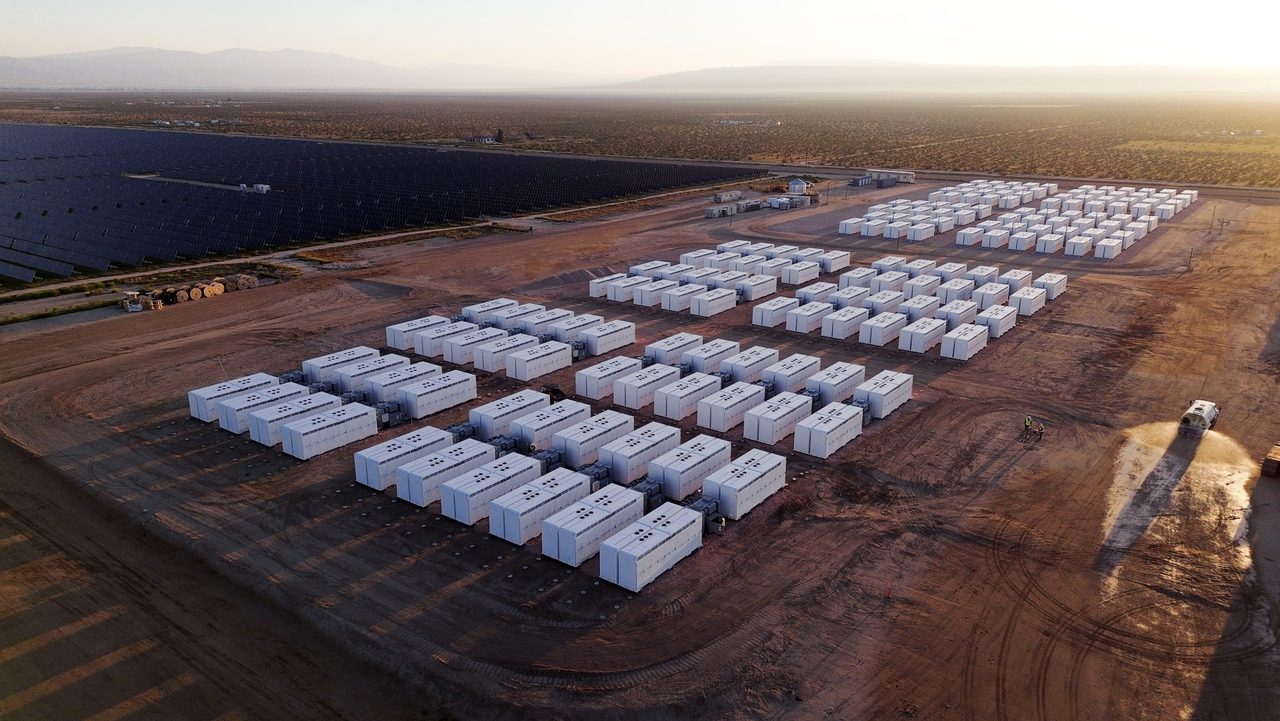
Tesla has received over $9 billion in new Megapack utility-scale energy storage orders in the past six weeks, totaling more than 43 GWh of battery capacity. This surge in orders coincides with the launch of a residential energy management platform, marking Tesla’s significant entry into home power optimization.
The demand for Megapack units highlights the growing need for grid-scale battery storage as utilities aim to enhance renewable energy integration. A notable agreement was signed on June 23 with NatPower to provide more than 25 GWh of battery storage in Italy and the United Kingdom. This agreement is one of the largest cross-border storage deals announced in Europe, according to Reuters.
Tesla will supply Megapack units and manage engineering, procurement, and construction for the project. The partnership also involves optimizing energy trading via Tesla’s Autobidder platform. The initial phase includes five projects with ambitions to exceed 100 GWh, backed by a construction budget of $4 billion to $5 billion. NatPower and Tesla project that revenue from this collaboration could exceed $15 billion over the next 20 years.
On July 6, Tesla introduced Tesla Home, a home energy management system powered by its AI engine, Opticaster, which is included with every Powerwall. The software forecasts household energy use and solar generation, automatically shifting loads to off-peak hours and enabling battery charging when grid prices are low. It can also sell stored energy during peak demand periods through virtual power plant programs.
No additional hardware is necessary for Tesla Home. It integrates existing Powerwall, solar panels, Solar Roof, and Wall Connector installations into a unified system managed through the Tesla app. Tesla claims that Opticaster has gathered over 100 million hours of operational experience across the Powerwall fleet.
Tesla’s energy division is experiencing robust growth, with the company deploying 13.5 GWh of energy storage products in Q2 2026. This marks a 40% increase year-over-year from 9.6 GWh and a 53% rise from 8.8 GWh in Q1. The second quarter represented Tesla’s second-largest deployment total, following Q4 2025’s 14.2 GWh. Tesla is set to release its full Q2 financial results on July 22.