
The European Commission’s new ProtectEU plan aims to bolster internal security across the EU, but its “lawful access to data” proposal raises concerns about weakening digital security by targeting encryption on communication platforms.
European Commission President Ursula von der Leyen has stated that security remains a fundamental aspect of open societies and economies. The Commission identifies terrorism, organized crime, cybercrime, and attacks on critical infrastructure as the most pressing threats.
ProtectEU responds to an increasingly complex geopolitical landscape, with hybrid threats and state-sponsored cyberattacks necessitating an overhaul of Europe’s internal security strategy. The official announcement outlines key objectives as a foundation for the plan.
ProtectEU advocates for a new security governance framework, transforming the European Commission’s approach to internal security. The initiative calls on EU member states to enhance intelligence-sharing through the Single Intelligence Analysis Capacity, a newly proposed platform.
The Commission plans to expand Europol’s role, effectively transforming it into a European equivalent of the FBI with enhanced operational capabilities.
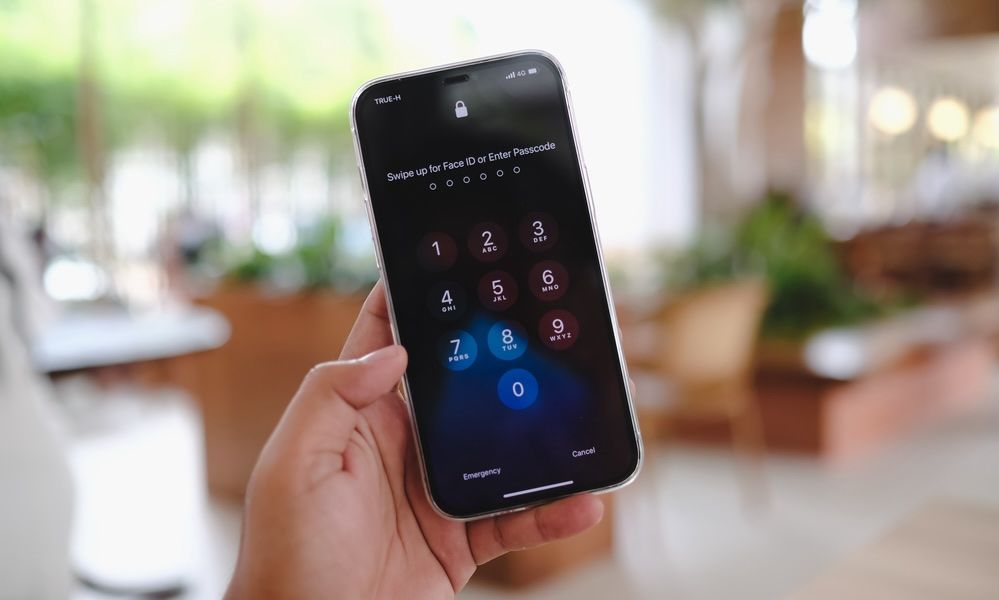
ProtectEU focuses on Europol’s expanded enforcement tools to address complex criminal investigations involving digital information. The plan includes provisions for “lawful access to data,” outlining a technology roadmap that targets encryption and evaluates the EU’s current data retention rules.
Granting Europol the ability to access encrypted data suggests Brussels is proposing government-mandated backdoors for communication platforms protected by end-to-end encryption, which are notoriously difficult to breach. Security researchers have repeatedly demonstrated that implementing “lawful” backdoors is flawed, with vulnerabilities inevitably exploited by cybercriminals.
The ProtectEU initiative includes proposals to strengthen digital infrastructure, tighten regulations against organized crime networks, and expand international cooperation, particularly with Latin America and the Mediterranean region.
The European Commission makes no mention of new partnership initiatives with the United States.