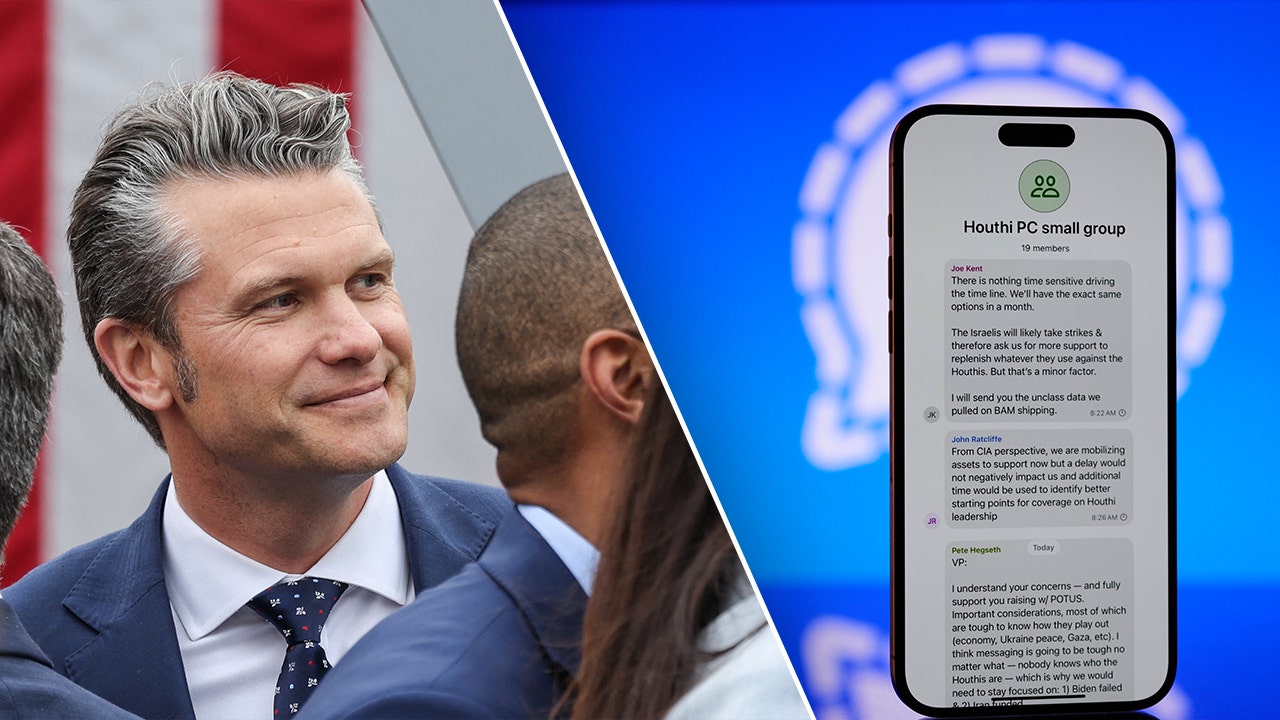
The Pentagon’s internal affairs office is probing Secretary of Defense Pete Hegseth for potentially spilling military secrets over unsecure channels.
The investigation was triggered after an Atlantic article revealed Hegseth and other top Trump administration officials, including Vice President JD Vance, national security advisor Michael Waltz, CIA Director John Ratcliffe, Director of National Intelligence Tulsi Gabbard, and Secretary of State Marco Rubio, discussed upcoming strikes against Houthi militants in Yemen on Signal, a non-classified commercial messaging app.
“The objective of this evaluation is to determine the extent to which the Secretary of Defense and other DoD personnel complied with DoD policies and procedures for the use of a commercial messaging application for official business,” wrote acting inspector general Steve Stebbins in a memo.
The controversy, already nicknamed “SignalGate,” has drawn criticism from Congress, with Senate Armed Services Committee Chairman Roger Wicker, R-Miss., and Ranking Member Jack Reed, D-R.I., urging the investigation.
Wicker and Reed outlined six key areas for review, including:
- Information communicated: Assessing the content shared and any corrective actions taken.
- Classification status: Determining if the information was classified.
- Pentagon policies: Examining rules on sharing sensitive information on non-government networks.
- Recommendations: Suggesting improvements based on the investigation’s findings.
Both the White House and the Pentagon have minimized the situation, claiming no classified information was shared. Hegseth himself denied discussing “war plans” on the app.
However, a subsequent article by The Atlantic provided further details, including approximate times for weapon and aircraft use during the strike.
Despite the additional information, Pentagon spokesperson Sean Parnell maintained that “there were no classified materials or war plans shared,” and dismissed The Atlantic’s reporting as a distraction from President Trump’s agenda.