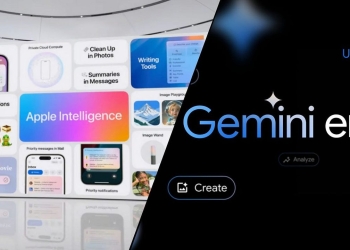

Judge Amit Mehta’s ruling in the Google antitrust case has recognized AI chatbots as crucial infrastructure within the media ecosystem, despite not mandating significant changes like the sale of Chrome or Android.
Mehta acknowledged the growing importance of AI as information portals, noting the overlapping use cases between general search engines and generative AI chatbots, which he likened to a Venn diagram. The ruling signals that courts are likely to treat AI assistants as vital distribution channels akin to browsers and search defaults, influencing future legal battles and licensing agreements between media organizations and AI firms.
Publishers are urged to proactively prepare for an AI-centric future as AI portals rapidly become primary arenas for information providers, mirroring the earlier significance of search engine optimization (SEO). The increasing popularity of AI engines has correlated with a decline in traditional search traffic, a trend substantiated by reports from Pew Research, Similarweb, and TollBit’s State of the Bots report.
The media industry is concerned about diminishing click-through rates from AI-generated summaries, as their business model heavily relies on search engine traffic for advertising revenue and brand visibility. Despite low click-through rates, visibility gained through citations can bolster a publication’s credibility and drive indirect conversions, such as subscriptions or recommendations.
The intangible benefits of being cited in AI answers can justify the efforts publishers make to compete for prominent placement in AI summaries, even without direct monetization opportunities. Major publications are actively securing licensing agreements with AI companies, and platforms like Perplexity are developing revenue-sharing models, while programs such as Cloudflare’s pay-per-crawl are gaining traction.
Achieving successful placement in AI answers will provide publishers with critical data for negotiating licensing terms with AI firms, and future court rulings could reinforce this dynamic. Ignoring AI summaries carries the risk of competitors being cited instead, especially given that users frequently copy AI-generated answers into their own documents, potentially feeding this information back into AI training data and web crawling processes.
The ruling emphasizes that discovery in an AI-driven environment is no longer confined to a single platform; publishers must monitor content visibility across various AI gateways, each with its own optimization rules. The shift to multi-engine optimization will require publishers to treat AI portals as primary audience entry points, similar to the vital role SEO once played in newsrooms.
Judge Mehta stated, “…the use cases for GSEs and GenAI chatbots ‘are not identical but they do overlap in a number of places’ like ‘a Venn diagram’.” This highlights the overlapping functions of traditional search and AI chatbots. The TollBit report underscores the “meteoric rise in AI scraping” and the “abysmal click‑through rates from AI summaries,” illustrating the challenges media faces with the shift towards AI-driven content discovery.
Indirect conversions, like increased subscriptions or recommendations, can result from repeated citations in authoritative AI answers, making such citations valuable despite negligible click-through rates. Publishers are asking, “Why would you want to?” compete for placement in AI summaries, as they balance potential revenue from referral traffic with intangible benefits gained from these summaries.
The decision to require Google to share data with its rivals and the aggressive push of ChatGPT, Perplexity, and Copilot into AI answers means publishers must optimize beyond Google. The coming challenge will be multi‑engine optimization, treating AI portals as front doors for audiences rather than optional experiments, similar to how SEO became a core newsroom discipline.
The rewards for publishers are less tangible, but there are rewards, and they beat the penalty of disappearing from discovery altogether as the AI-first discovery era begins. The ruling did not dramatically rebalance power between Google and publishers but created a clear signal that AI engines will be the next frontier where content competes for attention.
The media industry’s understandable focus on revenue overlooks the less tangible benefits of ranking in search: brand visibility and authority benefit from prominent placement in search results—both for publications and individuals. If you choose to opt out or ignore AI summaries, someone else is going to be cited, potentially having a compounding effect as at least some of that material ends up in data for AI training and web crawling.
Since AI answers rely on citations more than links, it could be difficult to unseat a competitor once they secure a popular summary. The decision requires Google to share data with its rivals, and with ChatGPT, Perplexity, and Copilot pushing aggressively into AI answers, publishers will need to think beyond “optimizing for Google.”