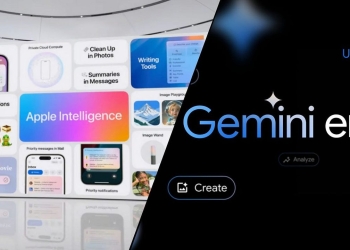
Apple is gearing up for a significant overhaul of its software ecosystem with the upcoming iOS 26, introducing a new aesthetic called “Liquid Glass” and a host of functional enhancements across iOS, macOS, iPadOS, and other Apple software suites.
The transition to iOS 26 marks a deliberate numbering skip from the current iOS 18, aligning Apple’s operating system version numbers with a year-based system, similar to car model years. This means that while the new operating systems will be released in late 2025, they will all be designated “26” to reflect the year ahead. Apple CEO Tim Cook noted during a recent earnings call that its collection of upcoming beta operating systems, including iOS, are “by far the most popular developer betas we’ve had.”
A highlight of WWDC was the unveiling of the “Liquid Glass” design, a new translucent aesthetic that will permeate all of Apple’s upcoming operating systems. This visual refresh brings a modernized look to the iPhone’s home and lock screens, which have largely remained consistent for years. The design features clear apps and widgets that adapt to dark and light modes, along with new floating buttons in applications like Phone and Maps, designed to be less distracting yet easily visible. While somewhat controversial since its announcement, and reminiscent of Microsoft’s translucent Windows Vista Aero designs from nearly two decades ago, the Liquid Glass design aims to create a more cohesive visual experience across Apple devices. As of the iOS 26 beta 2, Apple has already begun incorporating user feedback, subtly dialing back the transparency in certain areas to refine the aesthetic.
iOS 26 introduces a comprehensive array of new features focused on improving user experience and productivity. The Phone app receives a significant overhaul, allowing users to scroll through contacts, recent calls, and voicemail messages all on a single screen. A new “Hold Assist” feature will notify users when a representative comes to the phone, eliminating the need to listen to hold music and allowing users to attend to other tasks. Expanding beyond its existing capabilities, iOS 26 brings real-time live translation to Phone, FaceTime, and Messages. This feature will enable conversations with individuals speaking different languages, translating spoken words or text in real-time, although Apple’s examples show this may result in some stop-and-go interactions. To streamline group decision-making, users will now be able to create polls within group messages, simplifying choices for activities like brunch spots or carpooling arrangements. A welcome addition for many, iOS 26 will automatically filter spam texts and messages from unknown senders into a separate folder, reducing clutter and annoyance. Similar to a reverse image search, the new Visual Intelligence feature allows users to search for anything displayed on their iPhone screen. For instance, a screenshot of a pair of shoes in an Instagram photo can be used with Visual Intelligence to find those shoes or similar ones online. Addressing user frustration from previous changes, the Photos app will bring back dedicated tabs for “Library” and “Collections,” making it easier to navigate and find specific content. A new child safety feature has been discovered in the developer beta, pausing FaceTime communications if nudity is detected. This feature utilizes on-device detection, circumventing potential cloud-based privacy concerns. The iPhone lock screen becomes further customizable with a redesigned clock, 3D wallpaper effects, additional widgets, and enhanced Focus Mode options.
The iPad is also receiving substantial updates with iPadOS 26, aligning with the broader Apple software suite improvements. A significant stride for iPad productivity, iPadOS 26 will introduce the ability to run multiple apps simultaneously on the screen. Users can resize and move app windows, providing a true windowing experience. This feature is optional and can be toggled off. iPadOS 26 will also incorporate the Liquid Glass aesthetic across the lock and home screens, as well as drop-down menus, ensuring visual consistency with other Apple operating systems. Swiping down on the screen will reveal a new menu bar with standard options like File, Edit, and Windows, along with a search option for specific functionalities.
AirPods are set to receive notable functional updates with the release of iOS 26. Apple promises “studio-quality” audio recording, offering greater clarity in noisy environments. Users will be able to take photos or start and stop video recording with a single press on their AirPods. For photos, a three-second countdown will precede the capture. While not officially confirmed, evidence from the iOS 26 beta suggests the long-rumored live translation feature for AirPods could be integrated. A system asset shows a gesture triggered by pressing both earbud stems simultaneously, accompanied by words in various languages, hinting at real-time language translation capabilities.
Most newer iPhone models will be eligible for the iOS 26 update. However, the iPhone XR, XS, and XS Max, which run the current version of iOS, will not be compatible. Any iPhones released in 2019 or later, including the iPhone SE (second generation or later), iPhone 11 series, iPhone 12 series, iPhone 13 series, iPhone 14 series, iPhone 15 series, and the presumed upcoming iPhone 16 series, will support iOS 26. The iOS 26 public beta is currently available for download through the Apple Beta Software Program. Users can sign up for free at beta.apple.com with their phone number or email address, and then install the beta by navigating to Settings > General > Software Update and selecting iOS 26 public beta. A cautionary note advises against installing the beta on a primary iPhone due to potential risks associated with unfinalized software.
While the current betas do not feature major changes to Siri, Apple has previously stated that its smarter voice assistant, initially promised at WWDC 2024, is delayed until “in the coming year.” Reports indicate that Apple aims to significantly enhance Siri’s capabilities by integrating it with third-party artificial intelligence models, such as OpenAI’s ChatGPT or Anthropic’s Claude, potentially making 2026 a pivotal year for the voice assistant. Furthermore, Apple is reportedly developing a ‘stripped-down’ AI chatbot intended to rival ChatGPT.
The final version of iOS 26 is expected to be released to the public in the fall, typically in September, within a week of the annual Apple iPhone event. Last year, iOS rolled out to iPhone users on September 16, exactly one week after the iPhone 16 lineup was announced.
Ongoing updates to the iOS 26 beta have revealed additional features and refinements. An update on August 13 noted new AirPods details spotted in the beta. August 11 saw the developer beta reach beta 6. Further details on iPadOS 26 and AirPods features were added on August 8. The release of iOS 26 beta 5 on August 6 brought new bouncy animations to the passcode screen and Control Center. Reports of Apple working on a ChatGPT rival were noted on August 4. Tim Cook’s quote about the popularity of iOS 26 betas was added on August 1. July 31 saw the availability of iOS 18.6. The iOS 26 public beta became available on July 24. A new FaceTime “Communication Safety” feature was discovered in the developer beta on July 3. Finally, June 30 noted ongoing iOS 18 releases and reports of Apple considering additional external LLMs for Siri, with changes added in iOS 26 beta 2 noted on June 25.