
Google has issued a significant warning to Gmail users regarding a surge in attacks aimed at stealing security credentials, confirming that these intrusions are now responsible for “37% of successful intrusions.” The tech giant attributes a substantial portion of these breaches to password theft, often facilitated by infostealer malware, which is increasingly used to gain unauthorized access to accounts.
In response to this escalating threat, Google is urging users to immediately enhance their account security. This includes a strong recommendation to adopt passkeys or the “Sign in with Google” option as primary authentication methods, moving away from traditional passwords. Furthermore, users are advised to avoid signing in via linked or popup windows, to implement strong and unique passwords, and to enable non-SMS forms of two-factor authentication (2FA).
Despite the heightened security risks, Google’s internal research indicates that the majority of users have yet to integrate passkeys into their authentication routines. Passkeys are described as “unique digital credentials tied to a user’s device,” offering a more robust alternative to passwords, which are susceptible to guessing, theft, or being forgotten. The reliance on older, less secure sign-in methods, particularly passwords, remains a significant concern, making it crucial for users to ensure these passwords are not easily compromised.
Industry experts like Hive Systems corroborate Google’s findings, highlighting that “password reuse, short character lengths, and weak complexity remain some of the easiest ways attackers gain access to systems.” Hive Systems provides detailed “time-to-crack estimates for passwords of various lengths and character sets,” demonstrating the superior security offered by passwords combining upper and lowercase letters, numbers, and symbols, especially when they are eight characters or more. However, these estimates are based on a standalone brute-force approach; in reality, attackers often leverage existing data, drastically reducing the time required for a successful breach.
The danger is compounded when passwords are reused across multiple accounts. If a password has been compromised in a breach or stolen, all accounts using that same password become vulnerable. NordPass’s annual list of the top 200 most common passwords serves as a stark reminder of poor password hygiene. This list is compiled from passwords stolen by malware or exposed in data leaks. Users whose passwords appear on this list, or are similar to those listed, are strongly advised to change them immediately. The combined insights from NordPass and Hive Systems offer a comprehensive guide to crafting secure passwords. Even better practice is to utilize a standalone password manager—not a browser-based one—to generate strong, unique passwords for all online accounts.
The most critical security advice from Google remains consistent: add a passkey to your Google account and prioritize its use for all sign-ins. Discontinue the use of SMS-based 2FA in favor of more secure authenticator apps. And, as a fundamental rule, never log into any Google account through a linked or pop-up sign-in prompt, as these can be phishing attempts.
Beyond Gmail, the importance of securing one’s Google Account extends to the entirety of a user’s digital life. As Android Police rightly points out, a Google Account functions as “the skeleton key to your digital life,” unlocking access to critical services like Google Photos, Google Drive, and saved passwords. Protecting this central account is paramount.
Users are encouraged to regularly conduct Google’s in-house account audit using the Security Checkup tool. This audit allows users to review who has access to their “digital key.” A crucial step involves examining the “Manage all devices” setting. Android Police advises users to “carefully review this list” for any unfamiliar devices—computers, tablets, or phones—that they no longer own or recognize. Such devices should be immediately signed out. While multiple listings of a single phone might simply indicate the use of different web browsers, vigilance is key. Google itself emphasizes the importance of these regular checkups, noting that a red, yellow, or blue exclamation point icon in the Security Checkup tool signifies a recommendation for “immediate action for your Google Account.”
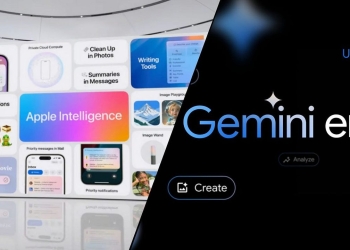
The urgency for robust account security has been amplified by the increasing integration of AI platforms with sensitive personal data. The convenience and potential productivity gains offered by AI accessing data stores come with heightened security risks. Specifically, Gmail users need to be particularly aware of the upcoming Gemini upgrades, which will introduce AI-fueled relevancy search, summaries, and smart replies directly into their inboxes. Once an AI platform begins to process a user’s content, any weak entry points in security pose a significant threat. This concern was recently highlighted with ChatGPT gaining access to a user’s Gmail for the first time.
Mashable raised immediate privacy concerns following OpenAI’s announcement, noting that “some of us have been using Gmail for a decade or more, meaning a lot of personal info can be hidden in there. Giving over access of that to a chatbot that vacuums up data by design might be a bridge too far for some users.” Futurism went even further, warning that “it’s staggeringly easy for hackers to trick ChatGPT into leaking your most personal data,” describing this as “very, very bad.”
While Futurism’s warning primarily addresses prompt injection attacks—where hidden instructions within documents can trick an AI assistant into revealing sensitive information—the broader risk lies in AI assistants operating on a user’s behalf. Such assistants may retain security authentication for websites they visit on the user’s behalf, potentially exposing sensitive data. While bolstering account security is crucial, it may not prevent all such AI-related risks. However, locking down accounts to enforce a more robust login process can help users better recognize when their data might be at risk, ensuring they are aware of and can control access points to their digital lives.